Best Drones for Beginners in 2026
Discover the best beginner drones with 4K cameras, GPS, and budget-friendly prices. Start flying today!
Getting into drones can feel overwhelming. There are so many acronyms, rules, and price points that you can't help but wonder: "Am I gonna crash this thing into a tree on day one and waste my money?"
Here's the good news: drone technology has come a long way. The drones of 2026 are smart, stable, and most importantly, built to keep you from screwing up.
In this guide, I've handpicked models that forgive rookie mistakes, deliver cinema-quality footage, and don't require you to be a tech wizard to get airborne.


Table of Contents
- Why Invest in a Smart Drone
- Types of Drones: Camera vs. FPV
- Critical Buying Criteria
- Review: DJI Mini 3 (Top Pick)
- Review: DJI Mini 2 SE (Best Value)
- Review: DJI Avata (For Thrill Seekers)
- Other Solid Budget Options
- Common Flying Mistakes
- Frequently Asked Questions
- Conclusion
Why Invest in a Smart Drone
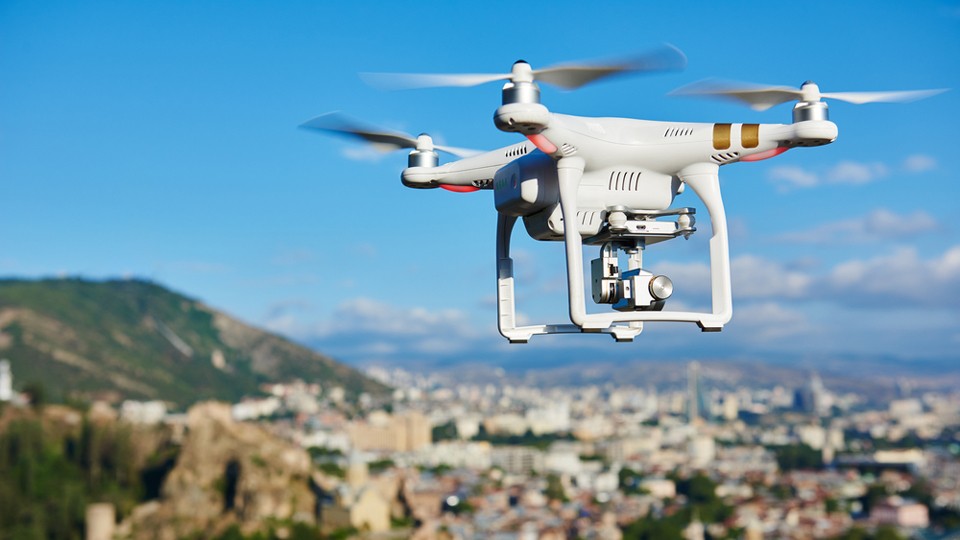
The difference between a "toy drone" and a legit beginner drone comes down to sensors. A proper starter drone has GPS and flight stabilization.
This means if you let go of the controls, the drone doesn't drop out of the sky—it hovers in place, waiting for your next command. It's basically like having autopilot running 24/7.
Benefits for newbies:
- Return to Home (RTH): The drone automatically flies back to you when the battery's running low.
- Stable Footage: The gimbal (mechanical stabilizer) makes amateur videos look pro-level.
- Portability: Most models on this list fit in your jacket pocket.
If you're looking to upgrade your tech setup, check out our guide on tech home office accessories for more gear recommendations.

Types of Drones: Camera vs. FPV
Before buying, figure out what you want to do with it. There are basically two types for beginners:
Camera Drones (Cinematic)
These focus on stability and video quality. They fly smoothly and are perfect for travel footage, real estate shots, or events. Example: DJI Mini series.
FPV Drones (First Person View)
You wear special goggles and see from the drone's perspective—like you're inside it. These are built for speed and immersion. They're trickier to fly, but models like the Avata have made them way more accessible.
For more insights on camera technology, don't miss our article on what are megapixels.
Critical Buying Criteria
Don't just look at the price tag. To avoid disappointment, evaluate these three things:
- Weight: Drones under 250g (like the Mini 3) don't require FAA registration for recreational use. That eliminates a ton of red tape.
- Transmission: Stay away from drones that only use Wi-Fi. Look for technologies like OcuSync (DJI), which guarantee stable signal for miles.
- Flight Time: Only consider models with 25+ minutes of battery life. Any less and the fun's over before it begins.
Learn more about connectivity in our deep dive on how internet works.
DJI Mini 3: The Sweet Spot
The DJI Mini 3 is hands-down the best choice for 90% of people right now. It solved the biggest complaints from earlier models: battery life and low-light performance.
Why it's the champ:
- Legit Camera: Large sensor with f/1.7 aperture that films well even at dusk.
- True Vertical Mode: The camera physically rotates to shoot vertical video (perfect for TikTok/Reels) without losing quality when cropping.
- Battery: Up to 38 minutes on the standard version. That's plenty of time to frame shots and make mistakes without rushing.
Check out the best drones for beginners on Amazon.

DJI Mini 2 SE: The Value King
If you're on a tighter budget, the Mini 2 SE is your entry point. It uses the old Mini 2 body but with DJI's modern transmission tech.
What you lose:
- Films in 2.7K (not 4K), which is still excellent for phone viewing.
- No obstacle sensors (you'll need to pay more attention while flying).
What you gain:
- Same GPS and stabilization as the pricier models.
- Video transmission up to 6 miles (OcuSync 2.0).
- Way more affordable price point.
For more tech advice, read our guide on how to choose a power bank.

DJI Avata: For the Adrenaline Junkies
If you think camera drones are "boring" and want to feel like you're actually flying, the Avata is your pick. It's a hybrid: FPV excitement with GPS safety features.
What makes it special:
- Prop Guards: Built right in. If you hit a wall, it bounces off and keeps flying.
- Motion Controller: You fly it by moving your hand—super intuitive.
- Immersion: The Goggles put you inside the action.
The downside is the price and shorter battery (about 18 minutes), which is typical for FPV drones.
Browse more smart home gadgets to enhance your tech collection.

Other Solid Budget Options
If you don't want to go with DJI, there are worthy competitors that deliver complete kits (with multiple batteries) at competitive prices.
Potensic Atom Premium
This one surprises with its flight time. The kit usually comes with 3 batteries and a charging hub, totaling almost 90 minutes of flight time. It has a 3-axis gimbal and shoots 4K. Direct competitor to the Mini 2 SE.

Holy Stone HS720E
A solid option if you prefer bigger drones. It has electronic stabilization (EIS) which helps, but isn't as smooth as mechanical gimbal stabilization. The highlight is ease of use and low price for a 4K drone.

For more buying guides, explore our recommendations on best laptops for students and best graphics cards.
Common Flying Mistakes
Bought your drone—now what? Avoid these three errors that cause 80% of beginner accidents:
- Ignoring Wind: Small drones struggle with gusts. If treetops are swaying hard, don't take off. DJI's app usually warns about "High Wind." Respect that warning.
- Flying Backwards: It's easy to get confused when the drone is far away and facing you (controls are reversed). Practice flying while watching the screen and using the app's map/radar.
- Not Calibrating: Whenever you change locations significantly (traveled to another state), calibrate the drone's compass. It's a 1-minute process that ensures GPS works properly.
Also check out our guide on how to protect smartphone for device safety tips.
Frequently Asked Questions
Which drone has the best camera?
On this list, the DJI Mini 3. The larger sensor and dual native ISO technology capture shadow details that other drones turn into dark blurs.
Can I fly in the city?
With restrictions. Never fly over crowds, near airports, or government buildings. The best spots for beginners are open parks or rural areas. Use apps like B4UFLY (in the US) to see where you can legally fly.
What happens if the battery dies mid-flight?
Smart drones calculate the battery needed to return home. When it hits a critical level, it warns you and starts automatic return (RTH). If it's super critical, it lands gently wherever it is.
Is it worth buying used?
For beginners, be careful. Used batteries might be worn out, and a drone that's crashed could have invisible microfractures. If possible, invest in new or officially refurbished with warranty.
For more tech explanations, read our articles on what is GPS and what is RAM.
Conclusion
There's no feeling quite like seeing the world from above for the first time while controlling your own camera.
To start off right:
- Want the best overall package without headaches? Go with DJI Mini 3.
- Want to spend less but still get quality? The DJI Mini 2 SE is unbeatable.
- Want pure adrenaline? The DJI Avata will blow your mind.
Pick your model, respect safety regulations, and happy flying!
Explore more buying guides: best smartwatches, best gaming keyboards, and best ergonomic mice.