How to Choose a Good Cell Phone Up to $ 400 to Buy
Don't buy a pig in a poke. Understand the technical specifications of screens, processors, and cameras to choose the best cost-effective smartphone.
Finding a smartphone that delivers quality without breaking your budget presents a genuine challenge. With countless options flooding the market, choosing the ideal phone becomes complicated, especially when working within a defined spending limit.
We've prepared a careful selection of the best budget Android smartphones offering excellent value under $500. All models have been tested and analyzed considering performance, camera quality, battery life, design, and especially the price-to-benefits ratio.
Whether you need a basic daily driver or a feature-packed powerhouse, this guide helps you make an informed decision that matches your needs and budget.
Best Budget Android Smartphones
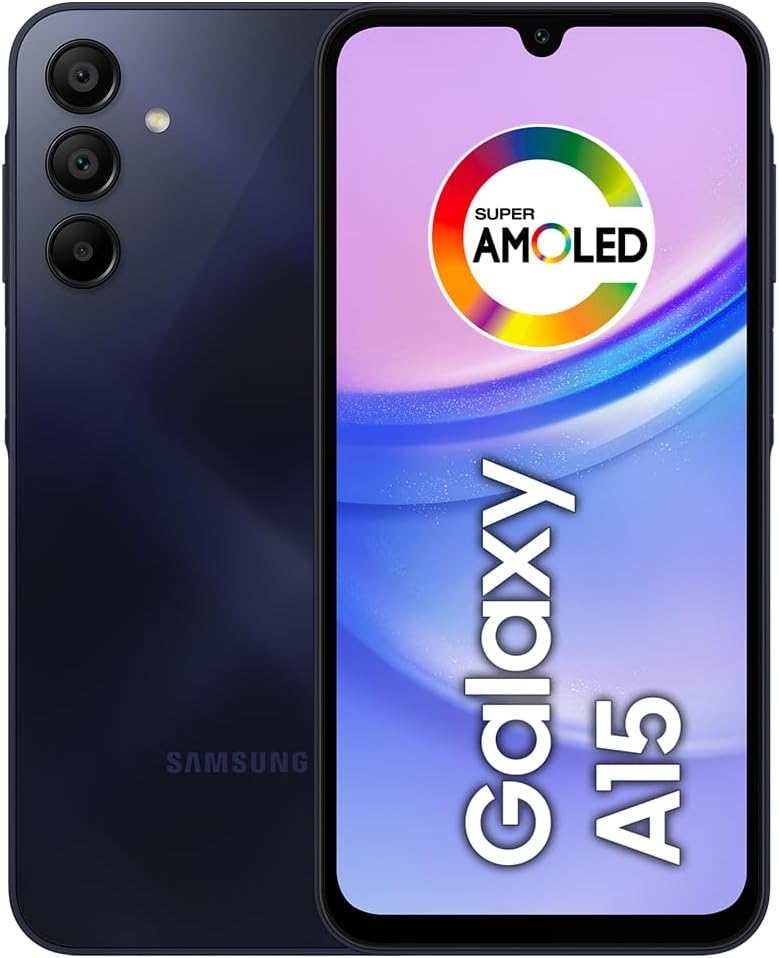
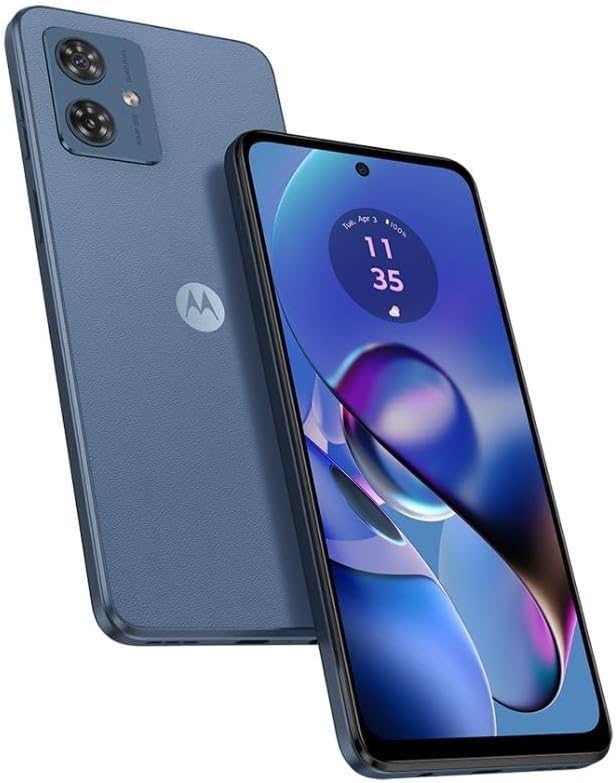
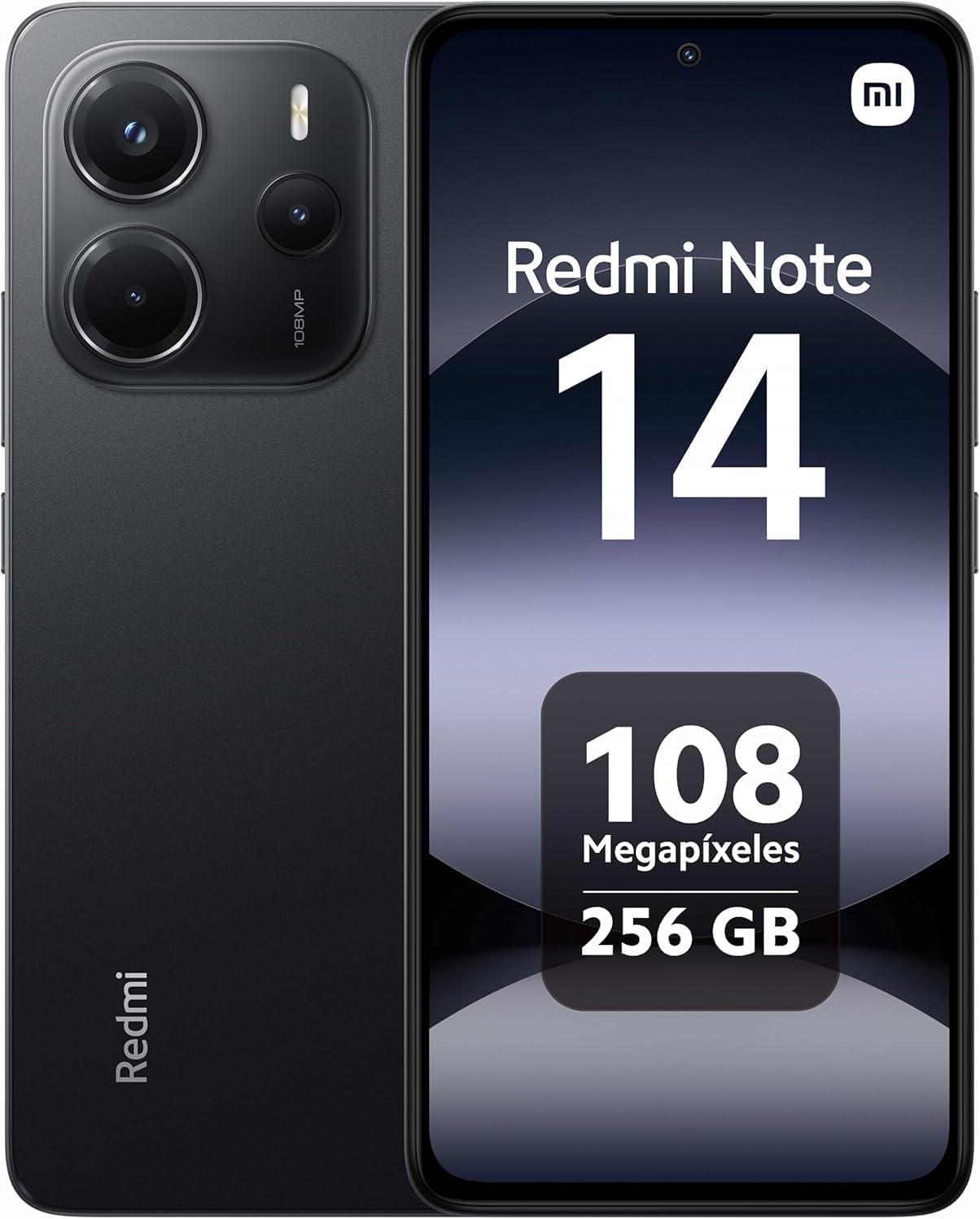
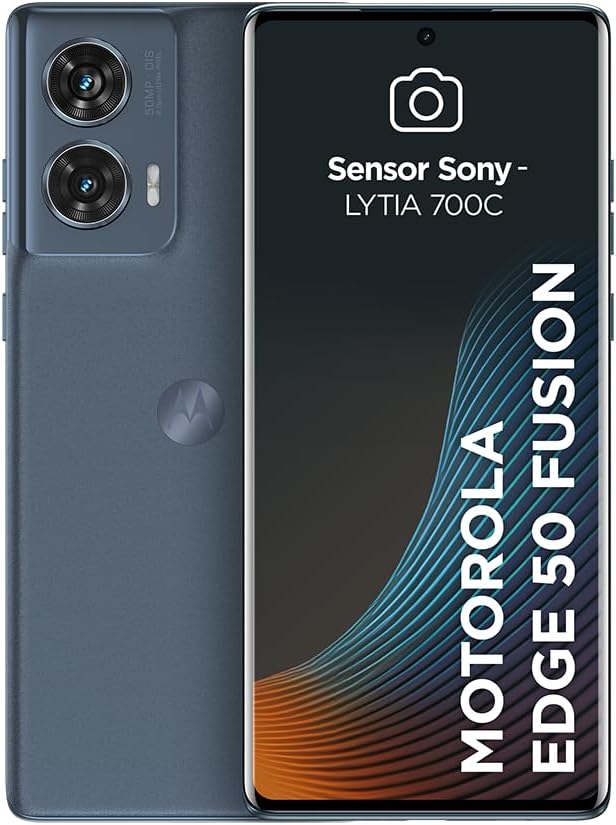
Table of Contents
- Samsung Galaxy A15: Best Entry-Level
- Motorola Moto G54 5G: Best Performance
- Redmi Note 14 Pro 5G: Best Overall
- Motorola Edge 50 Fusion: Best Premium
- How to Choose Your Ideal Android Smartphone
- Important Purchase Tips
- Understanding Key Specifications
- Frequently Asked Questions
- Conclusion
1. Samsung Galaxy A15 - Best Entry-Level
The Samsung Galaxy A15 provides an excellent entry point for users seeking Samsung quality without premium pricing. With a large sharp display, capable cameras, and all-day battery life, it handles daily tasks with reliable performance.
Technical Specifications
- Display: 6.6-inch PLS LCD Full HD+ (1080 x 2340)
- Processor: Exynos 1330 octa-core
- RAM: 4GB
- Storage: 128GB (expandable via microSD)
- Main Camera: 50MP wide + 5MP ultrawide + 2MP macro
- Front Camera: 13MP
- Battery: 5000mAh with 25W fast charging
- OS: Android with One UI interface
Why It's Perfect for Beginners
Samsung's One UI interface provides intuitive navigation and helpful features for smartphone newcomers. The clean, organized interface makes accessing settings and features straightforward without overwhelming complexity.
The 6.6-inch Full HD+ display delivers sharp text and vibrant colors for comfortable viewing. Whether browsing social media, watching videos, or reading messages, the screen provides excellent visibility in various lighting conditions.
The 50MP main camera captures surprisingly detailed photos for the price point. While not matching flagship quality, it produces shareable images that satisfy typical social media and everyday photography needs.
The 5000mAh battery easily powers through full days of moderate use. You won't need to worry about finding chargers during work or school days, and 25W fast charging quickly replenishes power when needed.
Ideal for: First-time smartphone buyers, students on tight budgets, seniors wanting reliable communication, and anyone prioritizing basic functionality over advanced features.
2. Motorola Moto G54 5G - Best Performance
The Motorola Moto G54 5G impresses with generous specifications including substantial RAM and storage capacity. With 5G connectivity and near-stock Android experience, it delivers smooth, lag-free performance for intensive smartphone use.
Technical Specifications
- Display: 6.5-inch IPS LCD Full HD+ (1080 x 2400)
- Processor: MediaTek Dimensity 7020 5G
- RAM: 8GB
- Storage: 256GB (expandable via microSD)
- Main Camera: 50MP wide + 2MP macro
- Front Camera: 16MP
- Battery: 5000mAh with 30W TurboPower charging
- OS: Near-stock Android experience
Performance Powerhouse
The 8GB RAM handles multitasking effortlessly, allowing dozens of apps to remain active simultaneously. Switch between messaging, social media, email, and gaming without encountering slowdowns or forced app refreshes.
The MediaTek Dimensity 7020 processor provides solid performance for gaming, video editing, and demanding applications. While not flagship-tier, it handles popular mobile games at medium-high settings with stable frame rates.
The 256GB storage capacity accommodates extensive app collections, photo libraries, and offline media without constant storage management. This generous space eliminates the frustration of "storage full" notifications.
Motorola's near-stock Android approach means minimal bloatware and faster system updates. The clean interface maximizes performance by avoiding unnecessary background processes that drain resources.
Ideal for: Power users who multitask heavily, mobile gamers seeking smooth performance, photography enthusiasts needing storage space, and anyone wanting future-proof 5G connectivity.
3. Redmi Note 14 Pro 5G - Best Overall
The Redmi Note 14 Pro 5G delivers truly impressive specifications that challenge phones costing twice as much. With a 200MP camera, 120Hz curved AMOLED display, and ultra-fast charging, it offers premium features at remarkably accessible pricing.
Technical Specifications
- Display: 6.67-inch AMOLED curved 120Hz (1220 x 2712)
- Processor: MediaTek Dimensity 7200-Ultra
- RAM: 8GB
- Storage: 256GB
- Main Camera: 200MP wide + 8MP ultrawide + 2MP macro
- Front Camera: 16MP
- Battery: 5110mAh with 67W HyperCharge
- OS: Android with MIUI interface
Premium Features at Budget Pricing
The 200MP main camera sensor captures extraordinary detail that allows significant cropping without quality loss. Photos rival expensive flagship smartphones, making this phone exceptional for photography enthusiasts.
The 120Hz AMOLED curved display provides buttery-smooth scrolling and vibrant colors with perfect blacks. The high refresh rate makes every interaction feel fluid and responsive, while the curved edges add premium aesthetics.
The 67W HyperCharge technology fully charges the massive 5110mAh battery in approximately 40 minutes. This eliminates charging anxiety - a quick power-up during breakfast or commute provides all-day battery life.
The Dimensity 7200-Ultra processor delivers flagship-level performance for gaming and demanding applications. Combined with 8GB RAM, this phone handles anything you throw at it without compromises.
Ideal for: Photography enthusiasts wanting exceptional cameras, users seeking premium display quality, heavy users needing fast charging, and anyone wanting maximum features per dollar spent.
4. Motorola Edge 50 Fusion - Best Premium
The Motorola Edge 50 Fusion represents a true premium device disguised as mid-range pricing. With exceptional 12GB RAM, massive 512GB storage, 144Hz curved display, and sophisticated design, it provides superior user experience across all aspects.
Technical Specifications
- Display: 6.7-inch pOLED curved 144Hz (1080 x 2400)
- Processor: Qualcomm Snapdragon 7s Gen 2
- RAM: 12GB
- Storage: 512GB
- Main Camera: 50MP wide with OIS + 13MP ultrawide
- Front Camera: 32MP
- Battery: 5000mAh with 68W TurboPower charging
- OS: Near-stock Android with Moto enhancements
Exceptional Specifications
The 12GB RAM represents overkill for most users - in the best way possible. This massive amount ensures effortless multitasking, future-proofing, and the ability to keep every app you use ready instantly.
The 512GB storage eliminates storage management forever. Store your entire photo library, extensive app collection, offline music and videos without worrying about space. No need for cloud storage subscriptions.
The 144Hz pOLED curved display provides the smoothest experience available on smartphones. Scrolling, gaming, and general navigation feel incredibly fluid, while the curved design adds elegant aesthetics.
Optical Image Stabilization (OIS) on the main camera significantly improves low-light photography and video recording. Photos remain sharp even in challenging conditions, and videos show professional-level smoothness.
Ideal for: Power users demanding maximum specifications, professionals needing extensive storage, mobile gamers wanting highest refresh rates, and users seeking premium experience without flagship pricing.
How to Choose Your Ideal Android Smartphone
For Basic Users
Basic smartphone users primarily need reliable communication, social media access, and occasional photography. The Samsung Galaxy A15 provides exactly these essentials with Samsung's proven reliability and intuitive interface.
Consider your daily activities. If your phone time consists mainly of WhatsApp messaging, Facebook browsing, email checking, and occasional photos, entry-level specifications handle these tasks perfectly without unnecessary expense.
Battery life matters more than raw performance for basic users. The Galaxy A15's 5000mAh battery ensures worry-free daily use without constant charging anxiety or carrying power banks.
For Intermediate Users
Intermediate users engage in light gaming, frequent photography, extensive social media use, and occasional video streaming. The Motorola Moto G54 5G offers excellent balance between performance and value.
These users benefit from 8GB RAM that prevents app reloads during multitasking. Switch between messaging, social apps, browser, and games without lag or frustration.
Storage capacity becomes important at this level. The 256GB capacity accommodates growing photo libraries, app collections, and downloaded content without constant deletion cycles.
For Demanding Users
Demanding users want maximum performance, premium features, and extensive capabilities. The Redmi Note 14 Pro 5G and Motorola Edge 50 Fusion deliver flagship-tier experiences at mid-range prices.
These users play graphics-intensive games, edit photos and videos, run productivity apps, and demand seamless multitasking. The powerful processors and abundant RAM handle these tasks effortlessly.
Premium displays with high refresh rates make every interaction satisfying. Once experienced, standard 60Hz displays feel sluggish and dated by comparison.
For Photography Enthusiasts
Photography-focused users prioritize camera quality above other specifications. The Redmi Note 14 Pro 5G with its 200MP camera captures extraordinary detail that rivals phones costing significantly more.
High megapixel counts enable extensive cropping while maintaining image quality. Capture group photos and crop to individual portraits, or photograph distant subjects and zoom digitally without major quality loss.
Look for Optical Image Stabilization (OIS) which dramatically improves low-light performance. The Edge 50 Fusion includes this feature for sharper photos in challenging lighting conditions.
Important Purchase Tips
Always Compare Prices
Smartphone pricing fluctuates significantly across retailers and during promotional periods. Check multiple sources before purchasing to ensure you're getting the best available deal.
Major sales events like Black Friday, Cyber Monday, and back-to-school periods often feature substantial smartphone discounts. Waiting for these events can save 20-30% on the same devices.
Consider refurbished or certified pre-owned options from reputable sellers. These provide significant savings while maintaining quality and often include warranties comparable to new devices.
Evaluate Storage Needs Carefully
Insufficient storage creates constant frustration through deletion cycles and inability to download desired content. Assess your typical usage patterns before committing to storage capacity.
Light Users (64-128GB): Minimal apps, rely on cloud storage, stream rather than download content, delete photos regularly.
Moderate Users (128-256GB): Balanced app collection, moderate photo/video capture, some offline content, occasional gaming.
Heavy Users (256-512GB): Extensive apps, large media libraries, offline content, mobile gaming, professional photography.
Consider Long-Term Usage
Think beyond immediate needs to how you'll use the smartphone over 2-3 years. Technology requirements increase over time as apps become more demanding and media files grow larger.
Choosing slightly higher specifications now extends device relevance. A phone feeling snappy today but borderline tomorrow will frustrate you within months.
Software updates continue for 2-3 years on budget devices. Ensure chosen specifications remain adequate throughout this support period to maximize investment value.
Prioritize 5G When Available
5G network coverage continues expanding globally. Choosing 5G-capable devices ensures your smartphone remains relevant as networks improve and coverage increases.
5G connectivity isn't just about speed - it provides lower latency crucial for cloud gaming, video calls, and emerging applications. These benefits become increasingly important over time.
The price premium for 5G capability has decreased significantly. Budget devices now include 5G without substantial cost increases, making it a logical choice for future-proofing.
Check Update Policies
Manufacturer commitment to software updates dramatically affects long-term device value. Samsung and Motorola typically provide 2-3 years of security updates for budget models.
Regular security updates protect against vulnerabilities and ensure app compatibility. Devices without updates become security risks and may lose functionality with critical apps.
Check manufacturer track records for update delivery. Some brands prioritize flagship updates while neglecting budget models, leaving them vulnerable despite promises.
Read User Reviews
Professional reviews provide valuable insights, but user reviews reveal real-world long-term experiences. Check multiple sources for balanced perspective on device strengths and weaknesses.
Pay attention to common complaints across reviews. Isolated issues might be defects, but repeated concerns suggest genuine product limitations worth considering.
Recent reviews matter most since manufacturers often address early issues through updates. A phone with poor launch reviews might perform excellently after six months of improvements.
Understanding Key Specifications
Processor Performance
The processor (CPU) functions as your smartphone's brain, handling all computations and operations. Budget phones typically use mid-range processors that balance performance with cost.
MediaTek Dimensity: Excellent performance-per-dollar, efficient power consumption, strong gaming capabilities. Common in budget and mid-range devices.
Qualcomm Snapdragon: Industry-leading performance, excellent optimization, superior efficiency. Even mid-tier Snapdragon chips deliver smooth experiences.
Samsung Exynos: Samsung's in-house processors, found in their budget devices. Adequate for basic use but generally less powerful than competitors.
RAM Importance
RAM (Random Access Memory) determines how many apps and processes your phone maintains simultaneously. More RAM enables better multitasking without slowing down.
4GB RAM: Sufficient for basic users running single apps at a time. Expect occasional slowdowns with heavy multitasking.
8GB RAM: Sweet spot for most users, enabling smooth multitasking and app switching without performance degradation.
12GB RAM: Premium territory providing future-proofing and effortless handling of demanding applications and intensive multitasking.
Display Technology
Display technology significantly impacts viewing experience, battery life, and device cost. Understanding differences helps make informed choices.
LCD (IPS): Lower cost, good color accuracy, adequate brightness, slightly higher power consumption. Common in budget devices.
AMOLED: Superior contrast with perfect blacks, vibrant colors, more power efficient, higher cost. Increasingly common in mid-range phones.
Refresh Rate: 60Hz is standard, 90Hz provides noticeably smoother experience, 120Hz+ feels premium. Higher rates consume more battery.
Battery Capacity
Battery capacity measured in mAh (milliamp hours) indicates total charge. Larger numbers generally mean longer runtime, though efficiency matters equally.
4000-4500mAh: Adequate for light users, may require charging before day ends with heavy use.
5000mAh: Standard for budget phones, provides comfortable full-day battery life for most users.
5000mAh+: Premium capacity ensuring multiple days for light users or full day for heavy users.
Camera Megapixels
Megapixel count indicates resolution but doesn't determine photo quality alone. Sensor size, processing software, and features matter significantly.
Higher megapixels enable more detailed images and aggressive cropping without quality loss. However, 50MP sensors with quality processing often outperform 200MP sensors with poor optimization.
Look for additional features: Optical Image Stabilization (OIS), Night Mode, HDR processing, and multiple lenses (ultrawide, macro) for versatility.
Frequently Asked Questions
What is the best budget Android smartphone?
The Redmi Note 14 Pro 5G offers the best overall value with its 200MP camera, 120Hz AMOLED display, 5G connectivity, massive battery with 67W fast charging, and premium features at accessible pricing.
How much RAM do I need in a smartphone?
For basic use like messaging and social media, 4GB RAM suffices. Intermediate users benefit from 8GB for multitasking and gaming. Demanding users should target 12GB for maximum performance and future-proofing.
Is 5G connectivity worth it in a budget phone?
Yes, 5G ensures your smartphone remains relevant as networks expand globally. Budget 5G phones like the Moto G54 5G provide future-proofing without significant cost increases over 4G equivalents.
What storage capacity should I choose?
128GB suits light users who stream content and use cloud storage. 256GB accommodates heavy app downloads and media libraries. Power users should consider 512GB options or ensure microSD expansion availability.
Are budget Android phones reliable?
Modern budget Android phones from reputable manufacturers like Samsung, Motorola, and Xiaomi offer excellent reliability, quality construction, and performance for everyday use backed by manufacturer warranties.
How long will a budget smartphone last?
With proper care, budget smartphones typically provide 2-3 years of solid performance. Choosing higher specifications extends usefulness as software requirements increase over time.
Should I buy last year's flagship or this year's budget phone?
This year's budget phones often provide better value through newer technology, longer update support, and better battery life. Last year's flagships offer premium build quality but may have aged batteries.
Do budget phones support fast charging?
Many budget phones now include fast charging. The Redmi Note 14 Pro 5G features 67W charging, while the Motorola Edge 50 Fusion offers 68W - both charging fully in under an hour.
Can budget phones run popular games?
Yes, budget phones with 8GB+ RAM and mid-range processors handle popular games like PUBG Mobile, Call of Duty Mobile, and Genshin Impact at medium-high settings with stable performance.
Conclusion
All smartphones in this guide deliver excellent value, but specific recommendations depend on your needs and budget. The Redmi Note 14 Pro 5G provides the best overall value with premium features at mid-range pricing, while the Samsung Galaxy A15 serves budget-conscious users perfectly. The Motorola Edge 50 Fusion offers exceptional specifications for power users willing to stretch their budget slightly.
Choose the smartphone that best matches your usage patterns and available budget. Each device delivers quality, durability, and features that exceed their price points, ensuring satisfaction with your purchase.